
Interior Architect or Decorator: Key Differences and Which Professional to Choose
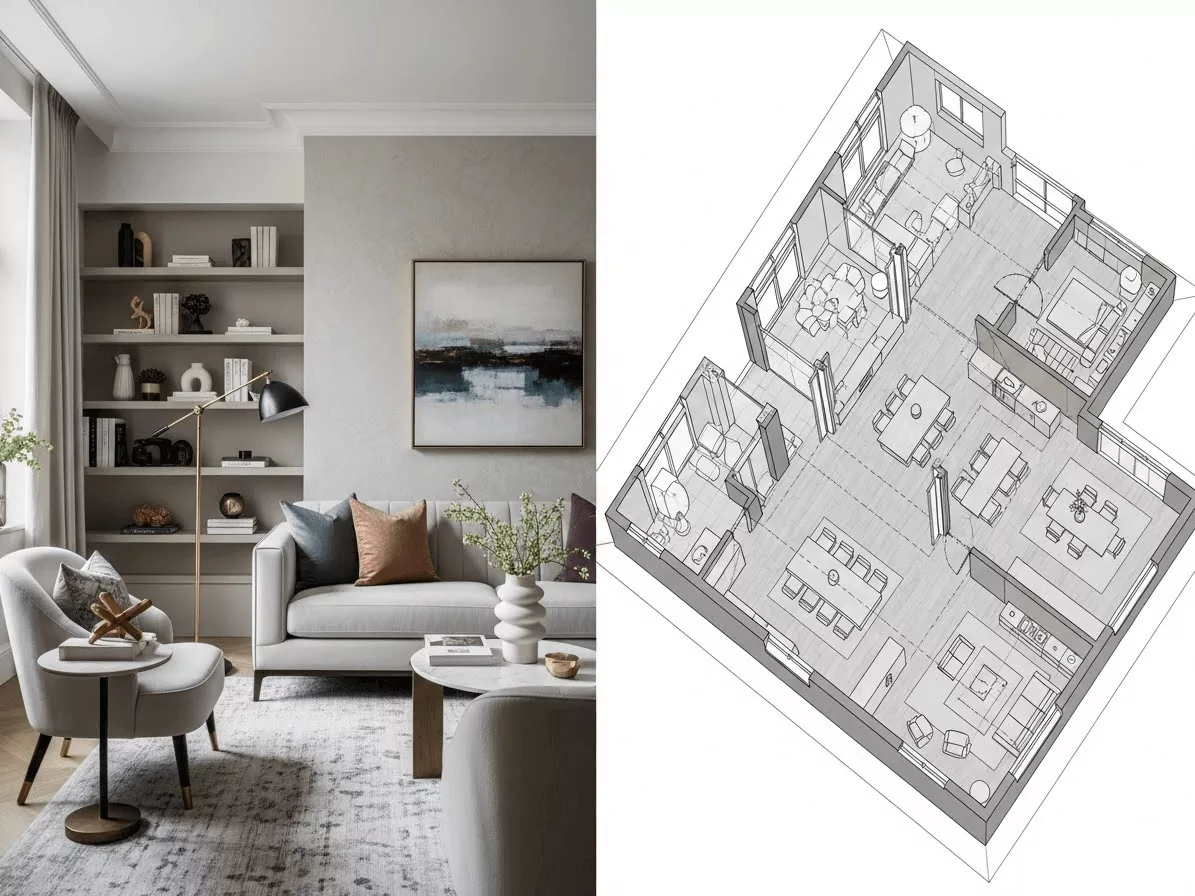
When it comes to furnishing or transforming a space, one question comes up again and again: should you call on an interior architect or a decorator?
The two professions are often confused, yet their roles, skills and scope of work are fundamentally different.
Understanding these differences is essential to make an informed choice, avoid costly mistakes and achieve a result that truly suits your needs, your budget and your lifestyle. For an overall view of the profession, it helps to understand the role and skills of an interior architect.
Two professions, two distinct scopes of work
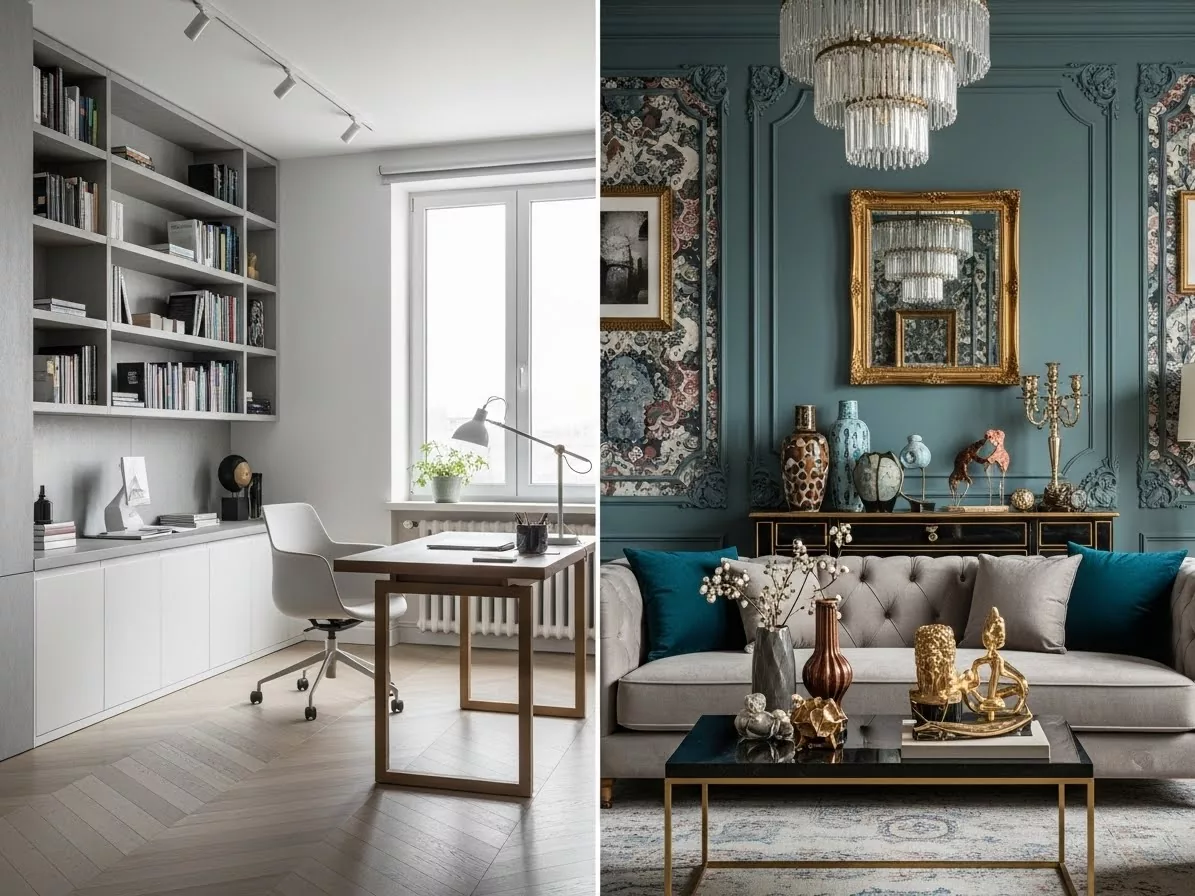
The main difference between an interior architect and a decorator lies in how deeply they intervene in the space.
A decorator works on an existing space whose layout has already been defined. Their job is to dress, harmonise and personalise a place through colours, furniture, textiles, objects and the overall atmosphere.
An interior architect, on the other hand, steps in earlier. They rethink the internal structure of the space, its layout, its circulation and the way it is used. This approach relies on specific technical skills, described in detail in this article on the role of the interior architect.
The decorator’s role: enhancing an existing space
The decorator is the specialist in aesthetics and atmosphere. Their role is particularly relevant when the space already works well but lacks visual coherence or personality.
They can be brought in to:
-
Harmonise a colour palette.
-
Select furniture and accessories.
-
Create a specific atmosphere.
-
Give the place a visual identity without altering its structure.
In this context, the decorator does not work on volumes, circulation or the functional optimisation of the space.
The interior architect’s role: designing a space that works
The interior architect, by contrast, designs the space as a whole. Their role is to respond to how the space is really used, anticipate constraints and ensure overall coherence between form and function.
They are brought in to:
-
Rethink the layout of the rooms.
-
Optimise floor areas and circulation.
-
Work with natural and artificial light.
-
Select materials suited to use and durability.
-
Oversee the implementation of the project.
This overall vision is explained in detail in the article on how an interior architect transforms a space.
Interior architect or decorator: at a glance
Criterion
Interior architect
Decorator
Work on the space
Layout, volumes, circulation
Aesthetics and atmosphere
Changes to the layout
Yes
No
Work on lighting
Technical and conceptual
Decorative
Choice of materials
Functional and aesthetic
Aesthetic
Overall vision of the project
Yes
No
Long-term impact
Structural and lasting
Visual and immediate
Which professional should you choose for your project?
The choice between an interior architect and a decorator depends directly on the nature of the project.
A decorator is the right fit when the space already works well and the need is mainly aesthetic.
An interior architect becomes essential as soon as the space has functional problems, poor circulation, badly used light or a lack of overall coherence. In these situations, understanding the precise role of the interior architect helps you avoid choosing the wrong professional.
Impact on budget, schedule and the final result
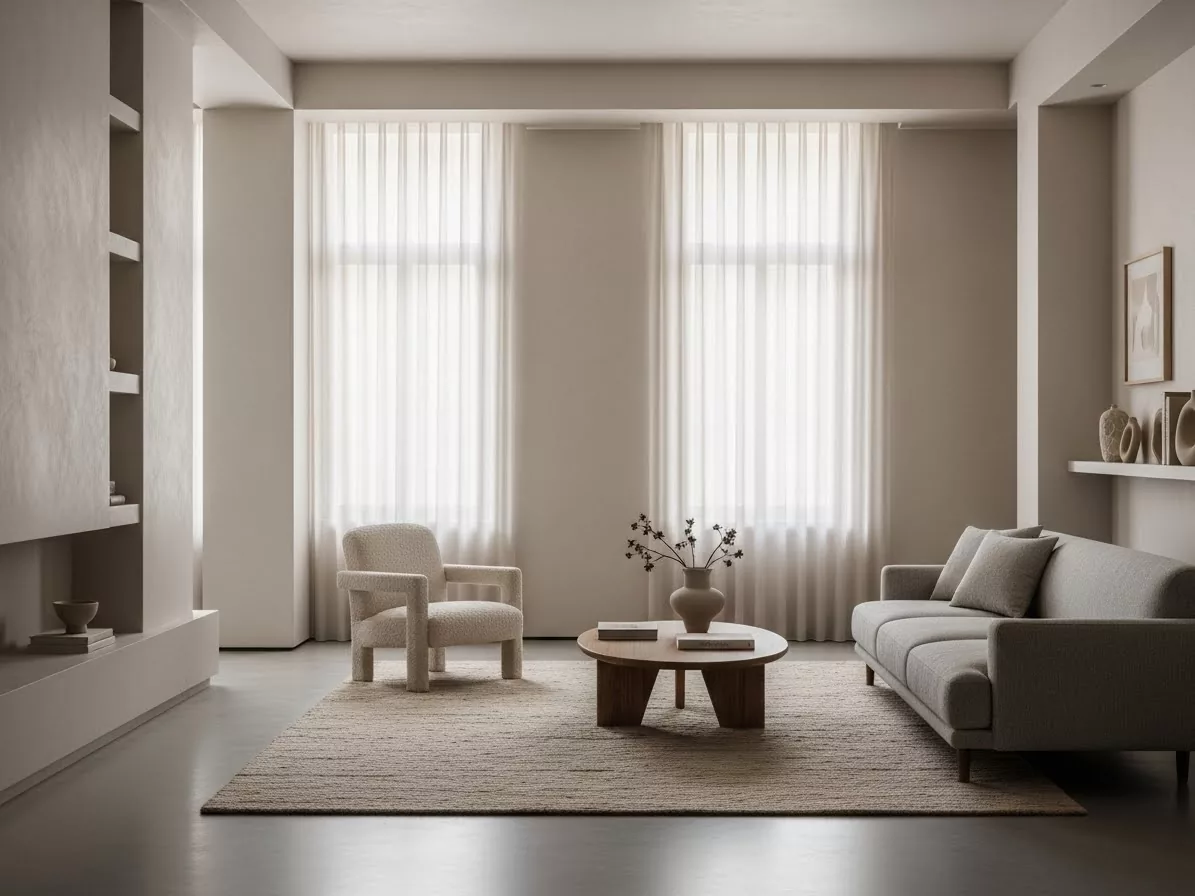
The professional you choose has a direct influence on the budget, the schedule and the quality of the final result.
A decorator works on visible elements, with an immediate impact that can sometimes be short-lived.
An interior architect, thanks to a structured methodology, often makes it easier to control costs over the long term by avoiding design errors and later rework, as explained in this complete guide to the interior architect.
Making the right choice for a successful project
Choosing between an interior architect and a decorator is not a question of style but of real needs. Identifying the right professional from the outset ensures a coherent, functional and lasting project, as well as a better experience throughout the process.
-