Integrating two types of flooring in an elegant and sophisticated way
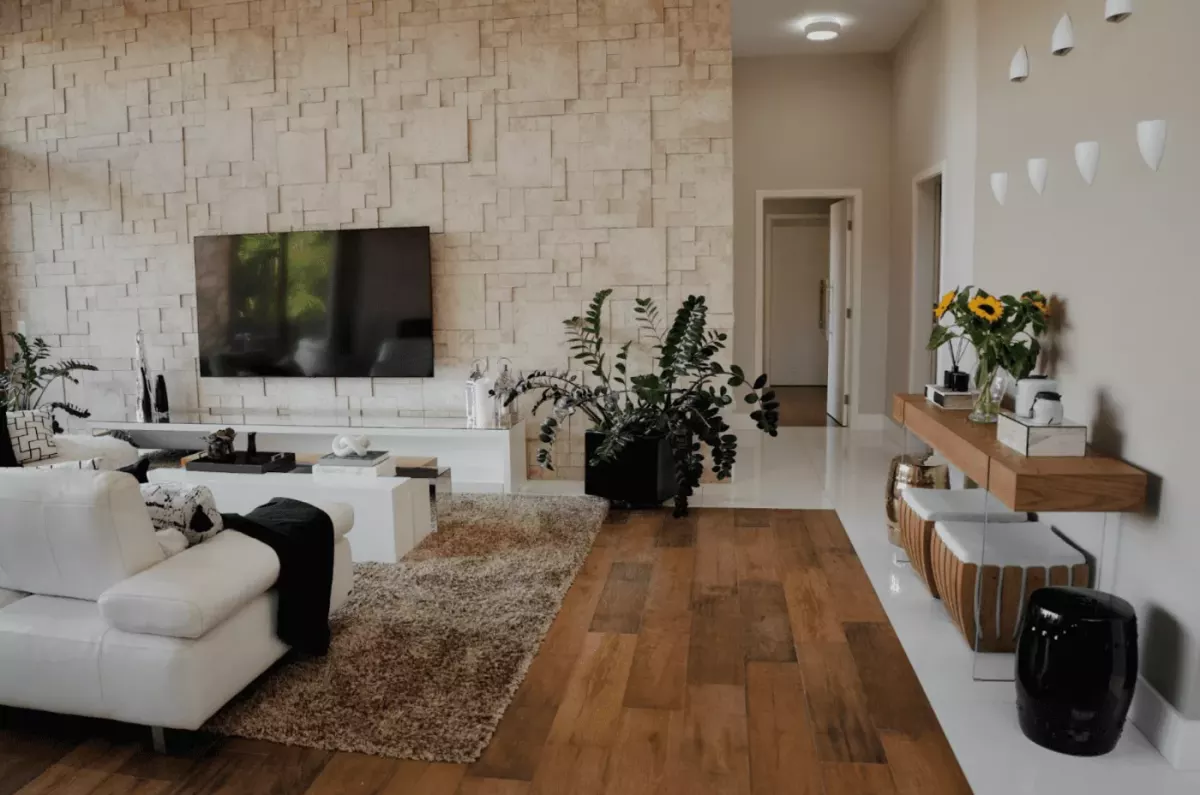
Integrating different types of flooring in a space can completely transform the look of an area, adding depth, texture, and a touch of sophistication. Today, let’s explore how to combine porcelain and wood harmoniously, creating an elegant and sophisticated integration.
Fundamental Concepts
-
Color and Texture Harmony The key to combining different types of flooring is choosing colors and textures that complement each other. For example, if you opt for a neutral-toned porcelain, such as gray or beige, choose wood with a finish that enhances these tones, such as oak or walnut.
-
Defined Zones Use different flooring to define zones within a space. For example, in an open living room and kitchen, porcelain can be used in the kitchen for its durability and ease of cleaning, while wood can be used in the living room to create a sense of coziness and comfort.
-
Smooth Transitions A well-done transition between floors is essential for a cohesive look. This can be achieved with the use of transition profiles or decorative borders that match both materials. Another technique is organic joining, where porcelain and wood are cut and adjusted to create an interlocking pattern, eliminating the need for a visible divider.
Practical Examples
-
Porcelain and Wood in the Living Room and Kitchen In an open space, use porcelain in the kitchen and wood in the living room. Choose porcelain that mimics the appearance of wood for a visually pleasing transition. Use a wooden baseboard that matches the living room floor to unite the two areas.
-
Sophisticated Touch in the Bathroom Combine porcelain on the floor and wood on the walls or in furniture details. Moisture-resistant porcelain is ideal for the bathroom floor, while treated wood can withstand moisture, providing a luxurious and natural contrast.
-
Entryway and Hallways Use porcelain at the entrance of the house for its durability and resistance to dirt, and wood in the hallways to create a welcoming environment leading to other rooms. A smooth transition can be made with a mosaic or stone strip between the two floors.
Combination Techniques
-
Interlocking Patterns Create interlocking patterns between porcelain and wood, such as a herringbone or mosaic. This adds a design element that draws the eye and harmonizes the different materials.
-
Metallic Transition Profile Use metallic transition profiles to separate the floors. These profiles can be thin and almost invisible or can be chosen as decorative elements that add a modern and sophisticated touch.
-
Use of Rugs In transition areas, use rugs that match both floors. This not only helps define areas but also adds an extra layer of texture and color to the space.
Conclusion
Combining porcelain and wood floors is a powerful technique for creating elegant and sophisticated spaces. By considering color and texture harmony, defining specific zones, and ensuring smooth transitions, it is possible to create a cohesive and visually appealing environment. Get inspired by these techniques and transform your space into a masterpiece.
-
-