How to Combine Biophilic Design with Neuroarchitecture
Introduction
The pursuit of environments that promote well-being and connection with nature has led to the growth of two important concepts in interior design: Biophilic Design and Neuroarchitecture. While Biophilic Design focuses on integrating natural elements into built spaces, Neuroarchitecture studies the impact of the environment on the brain and human behavior. In this article, we will explore how to combine these two concepts to create spaces that are not only aesthetically pleasing but also promote mental health and well-being.
What is Biophilic Design?
Biophilic Design is an approach that incorporates elements of nature into built environments. This can include the use of plants, natural materials, natural light, and even patterns and shapes inspired by nature. The goal is to create spaces that evoke a sense of connection with the natural world, which can reduce stress, improve mood, and increase productivity.
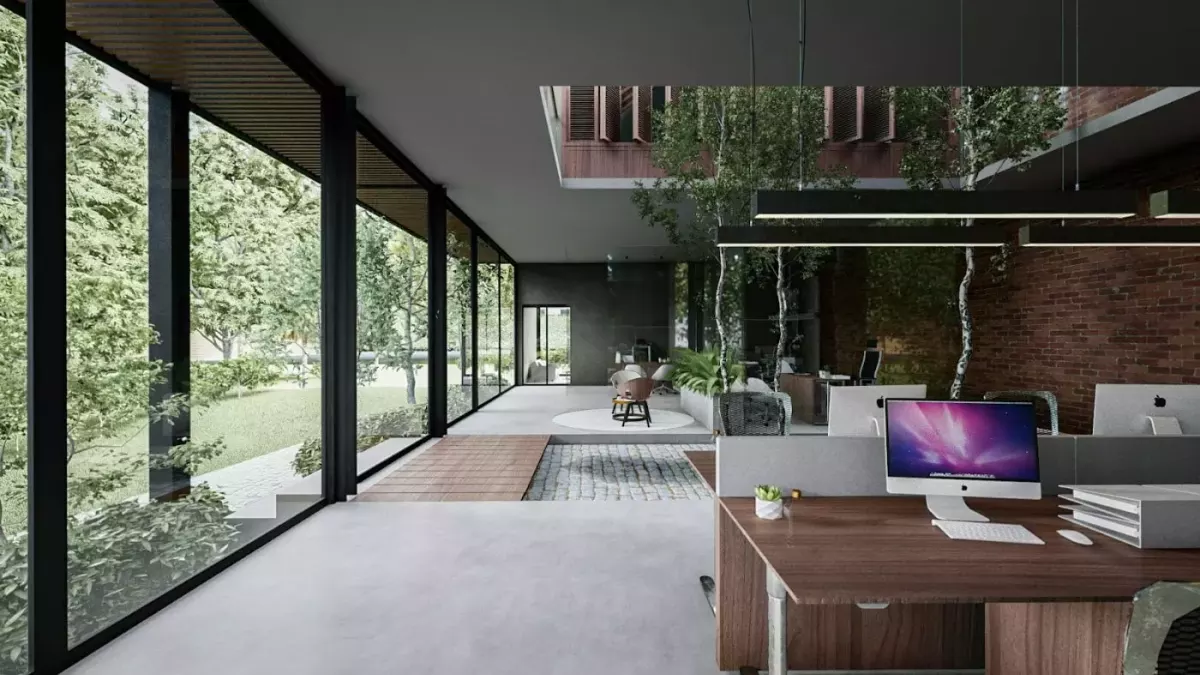
Example: A classic example of Biophilic Design is the use of vertical gardens in offices. These gardens not only beautify the environment but also improve air quality and provide a visual rest point for eyes tired from screens.
What is Neuroarchitecture?
Neuroarchitecture is the science that studies how built environments affect the brain and human behavior. It takes into account aspects such as lighting, colors, shapes, and even the arrangement of furniture to create spaces that promote well-being and cognitive efficiency.
Example: An example of Neuroarchitecture is the use of adjustable lighting in work environments. Natural light or white light during the day can increase productivity and focus, while softer, warmer light can help relax and unwind at the end of the day.
How to Integrate Biophilic Design and Neuroarchitecture
-
Natural Light: Maximizing the entry of natural light is essential. Large windows, skylights, and the use of mirrors can help reflect natural light throughout the environment. Natural light not only improves mood and productivity but also helps regulate the circadian rhythm.
-
Natural Elements: Incorporating plants, water features, and natural materials like wood and stone can create a more relaxing and welcoming environment. These elements have been associated with reduced stress and improved mental well-being.
-
Colors and Textures: The use of colors and textures inspired by nature, such as shades of green, blue, and earth, can have a calming effect. Natural textures, like rustic wood or natural stone, also contribute to a sense of connection with nature.
-
Flexible Spaces: Creating flexible spaces that allow for changes in furniture arrangement and the functionality of environments can help adapt the space to the emotional and cognitive needs of the occupants. This can include rest areas, collaboration spaces, and quiet zones.
Conclusion
Combining Biophilic Design and Neuroarchitecture can transform any space into an environment that promotes well-being, mental health, and productivity. By incorporating natural elements and understanding how the environment affects the human brain, we can create spaces that are not only aesthetically pleasing but also improve the quality of life of the occupants. RK Interiors is committed to bringing these innovations to our projects, creating environments that inspire and transform.